Category Archives: Creation Care

Francis, the Pope Who Combined Charismatic Spirituality with Peace and Justice

Pope Francis has departed this earthly life, leaving behind a legacy of uniting signs and wonders with peace and justice! He was both the most charismatic and activist pope the Catholic Church has had in hundreds of years.

In truth, this shouldn’t be an unusual combination – Jesus Himself united pacifism and economic equality with healing the sick and performing miracles. But in our time, there is often a dividing line between Christians passionate about peace and justice and those who emphasize the gifts of the Spirit. For Francis, however, all of this was one and the same.

Few have missed that Francis is a passionate advocate for peace and justice: he has criticized capitalism for neglecting the poor, he lives simply and promotes economic equality, he has prayed for peace in the Middle East both at the Western wall and at the West Bank wall. But what not as many know is that Francis also is a charismatic pope, who believes in Spiritual gifts and who blesses both the Catholic charismatic renewal and Pentecostals.

I have previously written about how Francis stated in an interview that the charismatic movement is necessary for the church. In 2014, pope Francis attended a Catholic charismatic renewal convention in Rome, where he said:

I expect from you that you share with all, in the Church, the grace of Baptism in the Holy Spirit.

I expect from you an evangelization with the Word of God which proclaims that Jesus is alive and loves all men.

I expect that you give witness of spiritual ecumenism with all those brothers and sisters of other Churches and Christian communities who believe in Jesus as Lord and Savior.

[…]

Be close to the poor, the needy, to touch in their flesh the flesh of Jesus. Be close, please!

Later the same year, Francis visited a Pentecostal church, being the first pope ever to do that. He asked for forgiveness for the hostility that some Catholics has shown to Pentecostals:

“Among those who persecuted and denounced Pentecostals, almost as if they were crazy people trying to ruin the race, there were also Catholics. I am the pastor of Catholics, and I ask your forgiveness for those Catholic brothers and sisters who didn’t know and were tempted by the devil.”

 “Someone will be surprised: ‘The pope went to visit the evangelicals?’ But he went to see his brothers.”

Similarly to the saint from which he took his name, Francis of Assisi, pope Francis loved the poor and experienced amazing miracles. Even if there are many things I don’t agree with when it comes to Catholic theology, I truly rejoice when I see how pope Francis walks in the same tradition, following Jesus both when it comes to Spiritual baptism and social justice.

Micael Grenholm is a Swedish church historian, author and an editor for PCPJ.

ska%cc%88rmavbild-2017-01-06-kl-21-17-02

Pentecostals & Charismatics for Peace & Justice is a multicultural, gender inclusive, and ecumenical organization that promotes peace, justice, and reconciliation work among Pentecostal and Charismatic Christians around the world. If you like what we do, please become a member!

Christians Can No Longer Overlook the Disastrous Consequences of Climate Change

What’s the most pressing political issue Christians should care about today? There are many answers to that question, and different Christians have different priorities, but I want to argue that all Christians should put climate change very high on that list, if not at the top? The climate crisis impacts everything else.

Do you think the economy is important? Climate change will ruin it unless stopped. You think migration is an important issue? Climate change will cause billions of people to flee from their home. Does any other political issue have the top priority for you, like abortion, education or law and order? Climate change might ruin all modern civilizations and all the societal orders connected to them?

As stewards of God’s creation, Christians are called to protect and preserve the earth for future generations. In the face of accelerating global warming, the urgent need for climate action becomes not only a responsibility but a divine mandate. The current state of our planet, marked by rising temperatures, melting ice caps, and increasingly severe weather patterns, underscores a critical moment in human history. It is a moment that demands a collective response grounded in faith, compassion, and justice.

The Biblical Foundation for Environmental Stewardship

The Bible is rich with references that underscore the importance of caring for the environment. Genesis 2:15 teaches us, “The Lord God took the man and put him in the Garden of Eden to work it and take care of it.” This verse highlights our God-given role as caretakers of the earth, entrusted to us to nurture and protect.

Psalms 24:1 further reminds us, “The earth is the Lord’s, and everything in it, the world, and all who live in it.” This psalm beautifully articulates the concept of stewardship, emphasizing that we do not own the earth; rather, we are caretakers of God’s creation.

Continue reading Christians Can No Longer Overlook the Disastrous Consequences of Climate Change

“I only did my job” is a horrible excuse for letting people suffer

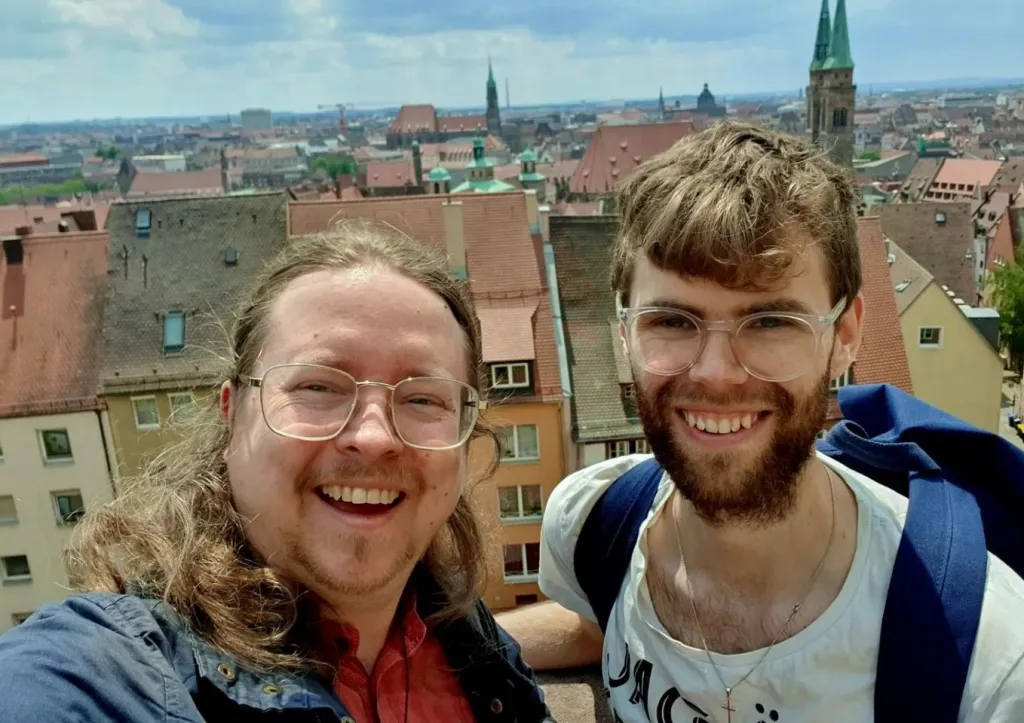
“Would you like to come to Germany?” I asked my communal brother Jacob when I had been invited to speak about peace theology in Nuremberg. “Jawohl!” he answered. So then we went to Kirchentag, Europe’s largest Christian conference, which is estimated to gather around 100,000 people.

And of course, we took the train there! The best way to travel with consideration to the climate, the view, and opportunities for evangelism!

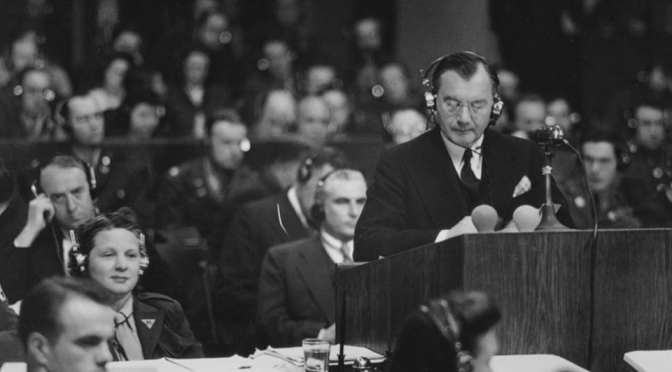
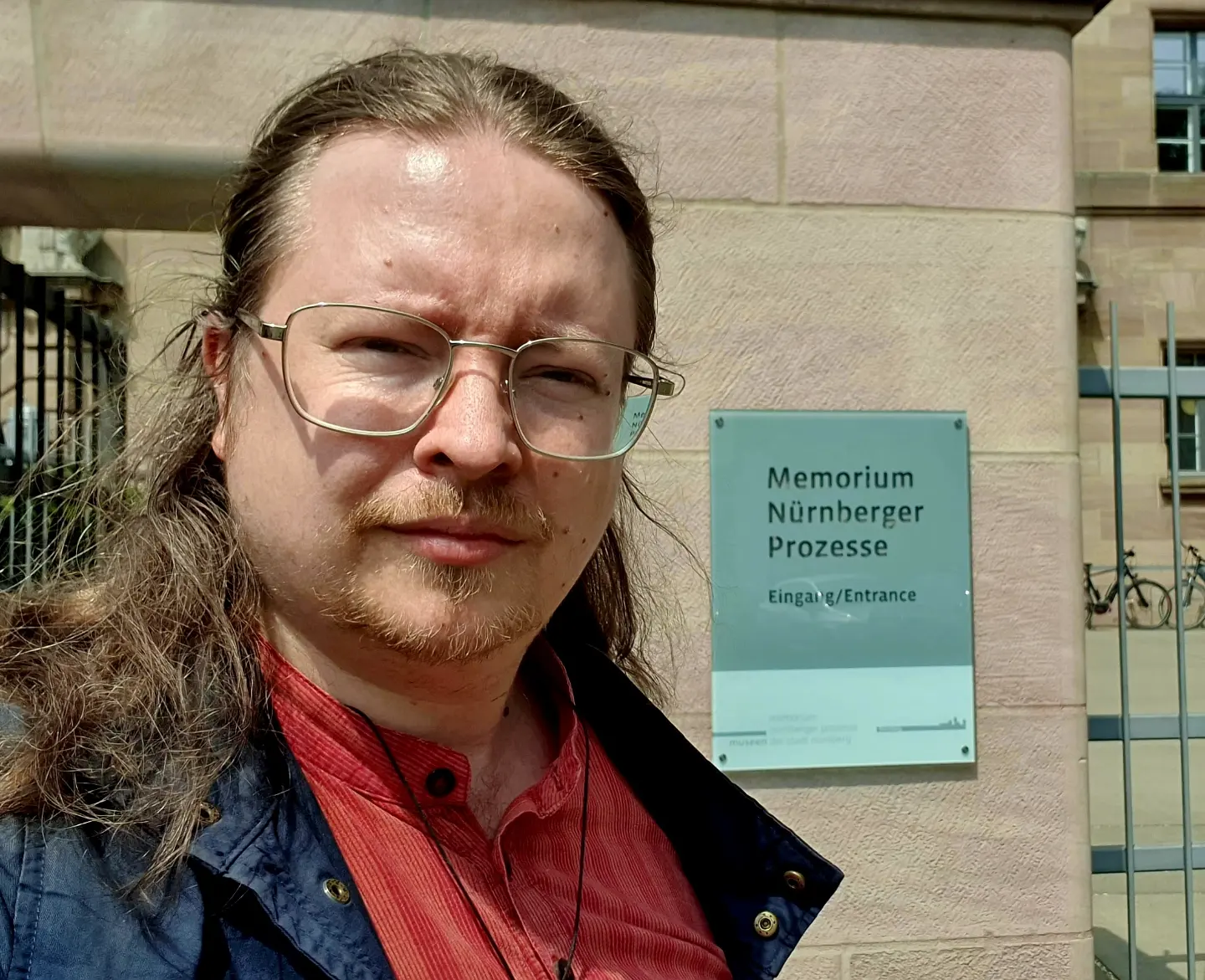
Once there, we visited the museum for the Nuremberg Trials – the place where several Nazis were convicted of crimes against humanity after World War II was over. They were not perfect trials, and they led to several death penalties, which in themselves are crimes against human rights, but despite their shortcomings, Nuremberg paved the way for the International Criminal Court and that politicians, like everyone else, can be held accountable for their actions.

Something that is really striking is how all the Nazis claimed to be innocent. They argued, partly, that the Holocaust was a war action parallel to how the Allied armies also massacred German civilians by bombing cities, and partly that they could not be held accountable for the genocide because they were just following orders.

But neither the “yes, but what about you” argument nor the “I was just doing my job” argument absolves us from moral responsibility for how we treat our fellow humans. Yet these arguments are often used by us non-Nazis to justify all kinds of bad behavior. Instead of taking responsibility for not living at the expense of the poor, overusing the Earth’s resources, or endangering refugees, we often reason that someone else is worse, and we are just doing our job. But how will the world ever become a better place if we only shift the blame?

The Bible emphasizes that everyone is responsible for their deeds (Rom. 2:5-6). And thankfully, God offers forgiveness when we fall short and power through His Spirit to take greater responsibility to do good towards others (Eph. 2:8-10). It was powerful to see how the courtroom where the Nazis were tried was adorned with a crucifix. We truly need God’s help in these dark times to ensure that their terrible ideas disappear once and for all.

Now, comparing the Nazi excuse “I was just doing my job” and today’s similar excuses for various bad behaviors could be seen as unfair and in violation of Godwin’s Law. But there is no literal law against drawing parallels with Nazism and contemporary phenomena online, especially when the comparison starts from a museum about Nazism and includes the writer himself (I write us non-Nazis above). It is not forbidden to have such a conversation in real life, so why should it be forbidden on the Internet?

Godwin observed how absurd it was that almost every forum thread on the Internet in the 90s, no matter what it was about, led to people calling their opponent Hitler. There is no prohibition against discussing parallels between World War II and our time – on the contrary, the absence of such comparisons would be extremely dangerous!

At the museum, I was struck by how bureaucratic and mundane the crimes of Nazism were, what Hannah Arendt called “the banality of evil”, where not only soldiers but also cleaners, drivers, factory workers, etc. were “just doing their job”. I think this is a very thoughtful comparison to how almost the whole society actively contributes to the climate crisis when too few are making changes – and the climate crisis risks killing not just six million people but several billion.

Knowing that what one is doing could contribute to several million or billion deaths, and not trying to change it but instead continuing, I absolutely think is parallel to contributing to genocide. But just as the Nuremberg Trials focused on those at the top of the hierarchy, the politicians and businessmen causing the largest emissions also bear the greatest responsibility. And we must never forget that whatever harm we cause, there is always forgiveness and transformation available in Jesus Christ!

Micael Grenholm is a Swedish church historian, author and an editor for PCPJ.

ska%cc%88rmavbild-2017-01-06-kl-21-17-02

Pentecostals & Charismatics for Peace & Justice is a multicultural, gender inclusive, and ecumenical organization that promotes peace, justice, and reconciliation work among Pentecostal and Charismatic Christians around the world. If you like what we do, please become a member!
The “Final Warning”: Three Billion Lives Are at Stake in the Coming Decades

Recently, the UN released its “final warning,” the last climate report they will write before it becomes too late to prevent a warming of at least 1.5 degrees.

We have two years to start reducing emissions – but instead, we increased them last year. Three billion people are threatened with losing access to clean drinking water in the coming decades, yet wealthy countries are reducing aid to the world’s poor. Research clearly shows that we must quickly stop driving gasoline cars and significantly reduce consumption of products like meat and new electronics – but many politicians lie about not needing to change any of this.

The report shows that the climate crisis is already here and causing conflicts, refugee crises, extinction of species, and famine. The longer the crisis continues, the more severe it becomes – to the extent that more and more researchers believe that most civilizations will collapse if the climate crisis is not quickly avoided through major lifestyle changes.

It may seem like an impossible task. But nothing is impossible for God. While the climate crisis is something all people – believers and non-believers – need to cooperate to overcome, I am convinced that the Holy Spirit wants to help us transition to sustainable homes, sustainable congregations, and sustainable societies.

Already two millennia ago, long before we came up with the idea of releasing millions of tons of gases into the air, the authors of the Bible wrote about the importance of contentment, simplicity, and guarding against the temptations of wealth (see, for example, 1 Cor 8:13-15 and 1 Tim 6:7-10). Now more than ever, the world needs a church that not only believes in these values but demonstrates in practical action how beautiful they are.

It is not too late yet – but we do not have time to delay. If everyone lived like the avarage American,we would need four Earths for the natural resources to be sufficient. Let us seize the opportunity to prepare a path for others to follow and show that life is not only possible to live in a simpler and more sustainable way – it is also so much more full of life!

I never thought I would live in a time when the UN and thousands of researchers would proclaim that the lives of three billion people are at stake in the coming decades, only to be met with a shrug from many.

Is the lack of interest in this due to people thinking they themselves will not be affected, even though it would naturally lead to economic and civilizational collapse if a third of humanity dies or is driven to flee? Or do they find it too difficult to think about how their own lifestyle and living standards contribute to the problem, preferring to bury their heads in the sand rather than seriously changing that lifestyle?

Perhaps they simply lack hope for change, and think that the impending disaster is as inevitable as a giant asteroid. How important it is then for the church to proclaim a message of hope for both this world and the next!

As Paul writes in Romans 8:

“For I consider that the sufferings of this present time are not worth comparing with the glory that will be revealed to us. The creation waits in eager expectation for the children of God to be revealed. For the creation was subjected to frustration, not by its own choice, but by the will of the one who subjected it, in hope that the creation itself will be liberated from its bondage to decay and brought into the freedom and glory of the children of God.” 🌱

Micael Grenholm is a Swedish church historian, author and an editor for PCPJ.

ska%cc%88rmavbild-2017-01-06-kl-21-17-02

Pentecostals & Charismatics for Peace & Justice is a multicultural, gender inclusive, and ecumenical organization that promotes peace, justice, and reconciliation work among Pentecostal and Charismatic Christians around the world. If you like what we do, please become a member!
Israel and the Rest of the Middle East Might be Uninhabitable by the End of the Century

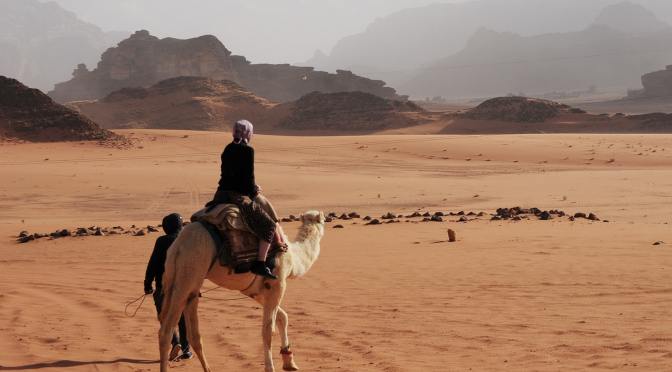
The last seven years have been the hottest on the record. The situation is the worst for the Middle East, which is heating up twice as fast as the world average.

mid east uninhabitable

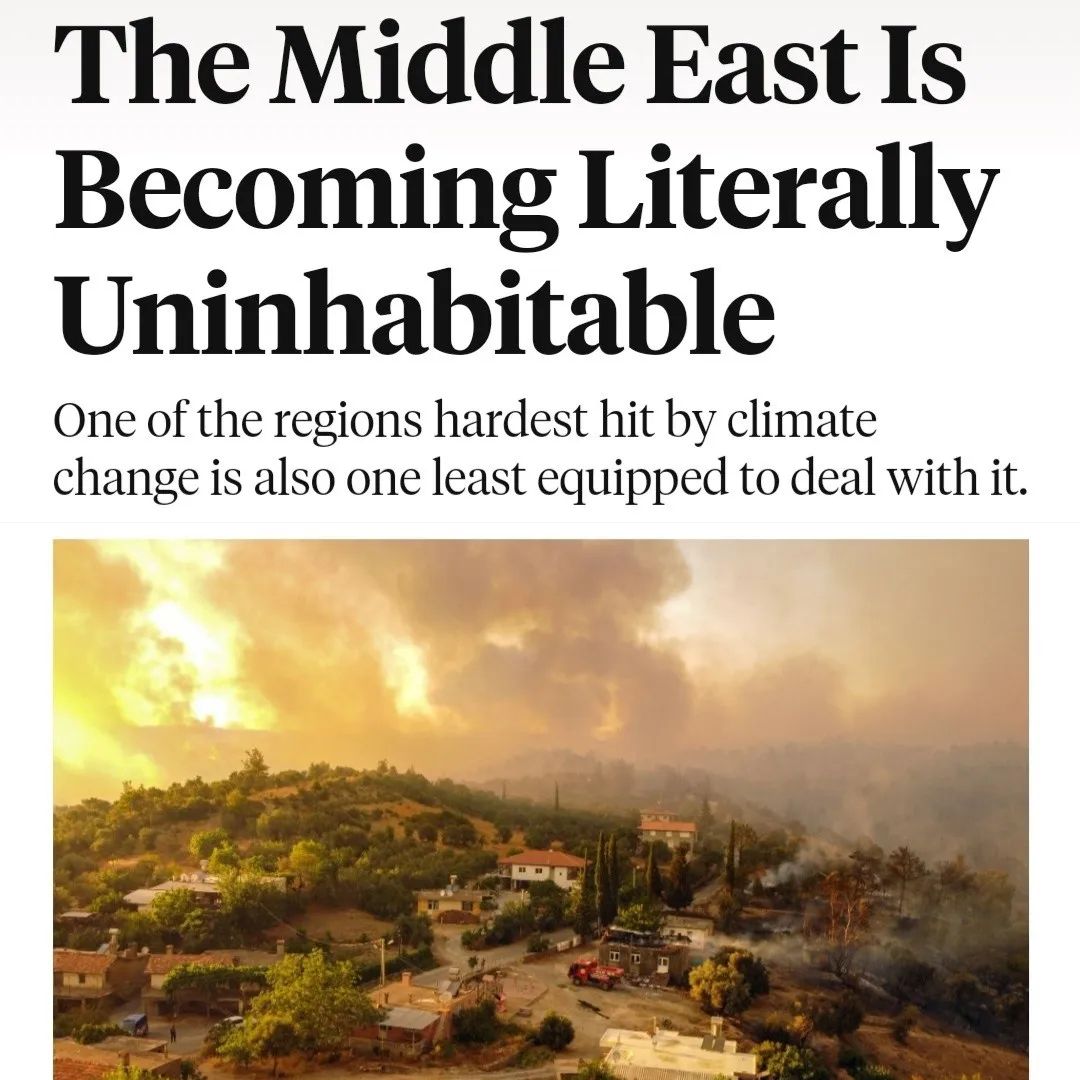
More and more researchers now believe that the Middle East will become largely uninhabitable by the end of the century if powerful political measures do not put an end to climate change.

And that includes Israel.

The Israeli parliament The Knesset recently declared climate change a national security threat. Galit Cohen, Director-General of the Ministry of Environmental Protection, said: “We are in a Hot Spot that will be hit hard, and parts of the country can become uninhabitable areas.”

heat mid est

Civilization originally arose in the Middle East, but now it might disappear from the region. The waves of refugees we see today are tiny  compared to the hundreds of millions of climate refugees that the coming decades risk bringing with them.

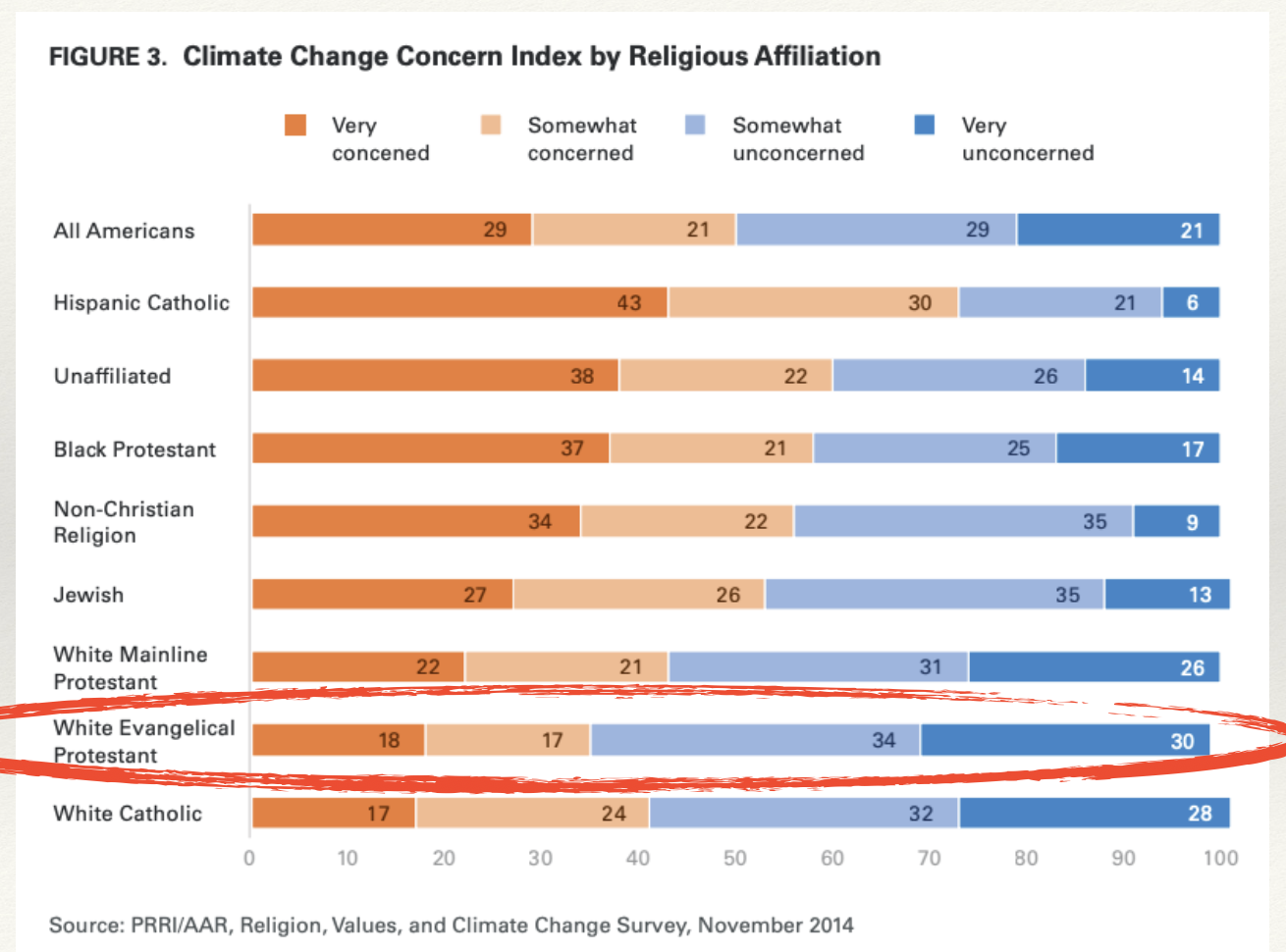
Isn’t it ironic that many evangelicals claim to care deeply about the nation and people of Israel, yet ignore how climate change might destroy the nation and people of Israel? A survey from 2014 showed that white evangelicals in the US are the least likely to be concerned over climate change.

Skärmavbild 2022-01-12 kl. 16.07.15

There is no biblical reason for this. The Bible never says that climate change isn’t real or should not be prevented. The only reason white evangelicals think like this is that they view allegiance to the Republican party as important, which in turn has been highly influenced by science denial promoted by the fossil fuel industry with millions of dollars.

And so in a disturbing twist of fate, many evangelicals support extremist politicians like Donald Trump or Jair Bolsonaro claiming that they are “pro-Israel”, when in fact their policies might be what ultimately destroys Israel as a nation. Once again. these words written by Jeremiah 2,600 years ago, might be sung in Jerusalem:

“The old men are no longer gathered in the city gate, and the young men’s music has ceased. Joy is gone from our hearts, our dance has turned to sorrow … Mount Zion lies desolate, jackals roam about there. But you, Lord, reign forever “Your throne is from generation to generation.” (Lamentations 5)

But not on our watch. The good news is that the catastrophic scenario of an empty Middle East is still preventable, given that we manage to adjust our lifestyle and our communities to sustainability and a fossil-free reality during the coming eight years. We need help to do this – from each other and from God.

There is still time to act, so let’s act!

Micael Grenholm is a Swedish pastor, author, and editor for PCPJ.

ska%cc%88rmavbild-2017-01-06-kl-21-17-02Pentecostals & Charismatics for Peace & Justice is a multicultural, gender inclusive, and ecumenical organization that promotes peace, justice, and reconciliation work among Pentecostal and Charismatic Christians around the world. If you like what we do, please become a member!
The Best Thing You Can Do for the Climate is Probably the Opposite of What You Think

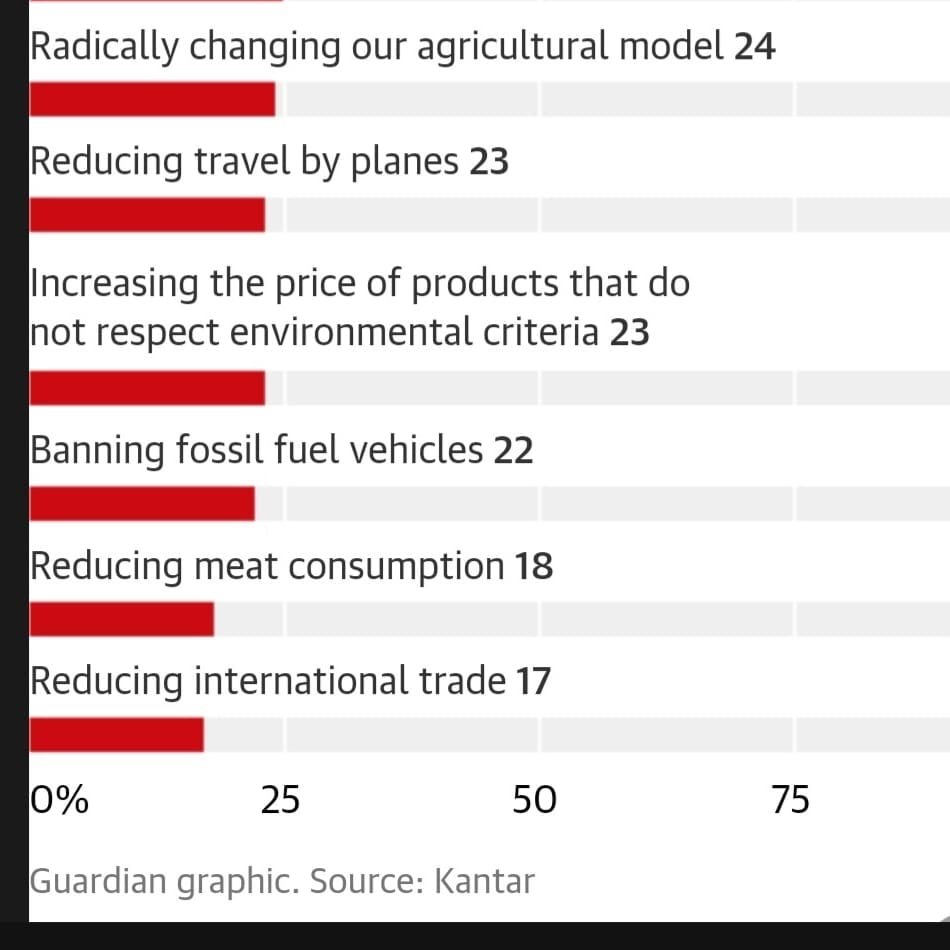
What is the most effective thing you can do as an individual to counteract climate change? According to a new opinion poll from Kantar Public, most westerners don’t know the true answer. Not only that – they believe the exact opposite of what is true.

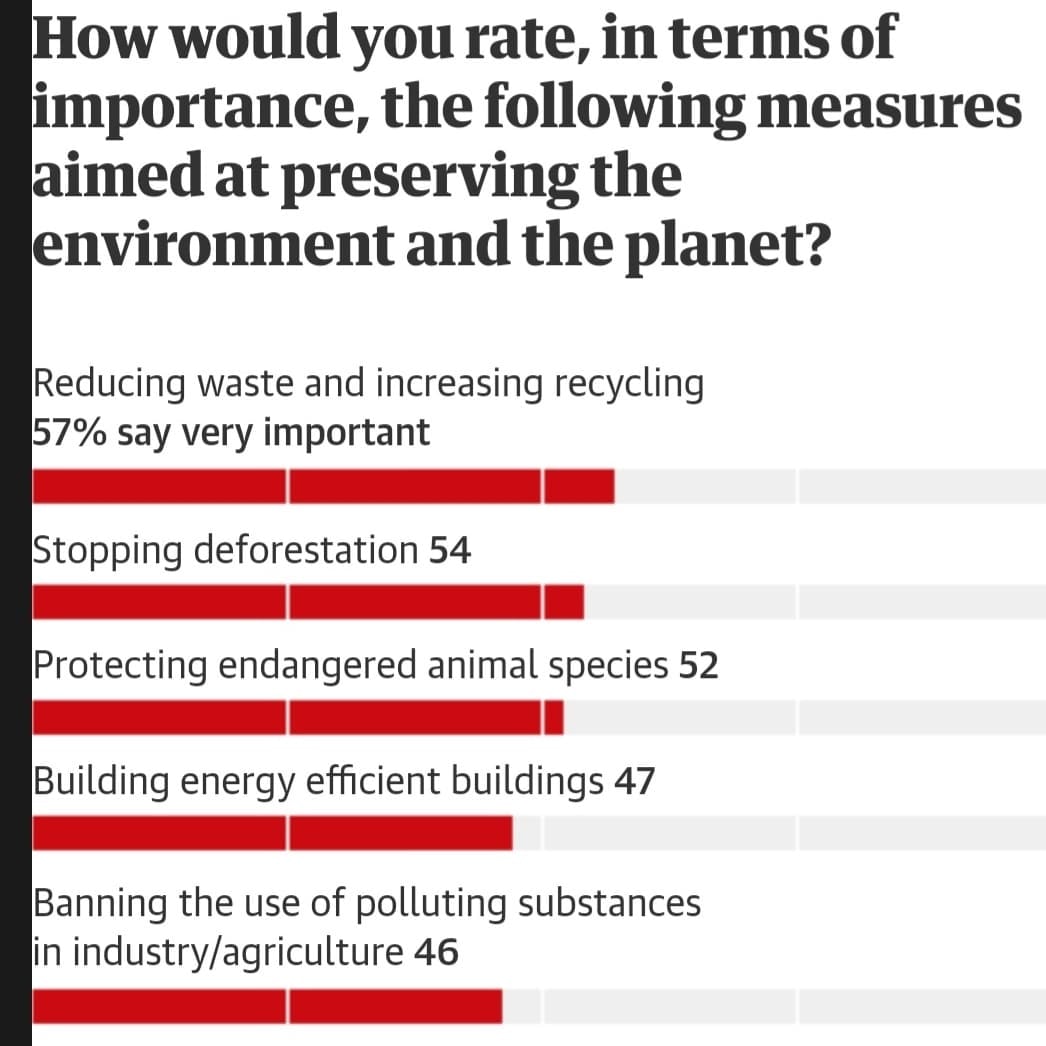
According to residents of ten western countries, including the United States, Germany, and Sweden, recycling is the most common answer to what is “very important” for improving the climate, while reduced consumption and reduced meat consumption are the least common answers. Even reduced car use and flying were rarely described as very important by the respondents.

This is almost as if most people would walk around thinking that the most effective thing they can do to cross the Atlantic Ocean is to travel with a bamboo raft.

Four years ago, a study was published at Lund University that showed which individual life choices lead to the greatest reduction in one’s greenhouse gas emissions. It states that a year’s plant-free diet free of animal products is four times more efficient than recycling, refraining from a single transatlantic flight is eight times more efficient and living car-free for a year is eleven times more efficient.

Recycling may be useful, but it can certainly not be classified as the most important climate measure. Why then do most westerners claim that this is the case? Lobbying from the meat, car and aerospace industries is, of course, a culprit in the drama, as is the political rhetoric that, for fear of losing votes, often unscientifically insists that we maintain our food and transport habits.

But the study from Kantar also showed that an important factor is convenience. 74 percent of those surveyed said they were “proud” of what they are already doing for the climate—which I guess includes a lot of recycling. Instead of finding out what actually saves lives, you tell yourself and others that what you are already doing is the best possible.

We often assume that people first become convinced of things on an intellectual level, and then adapt their lifestyle accordingly. Sometimes it is so – I myself became an environmental activist after I had read about the state of the world in books – but it is at least as common that our opinions are adapted to how we live and what social contexts we belong to.

No wonder Jesus insisted that his disciples follow him, rather than just believing on a theoretical level.

Of course, opinion formation still has an important role to play, especially when it is now so clear that even many who are not climate threat deniers believe in ill-founded myths. But people need to be doers of the word, not just hearers, to quote the letter of James.

What is needed are communities where plant-based diets and car-free lives are as common and natural as recycling cardboard packaging. Research shows that people find it much easier to change their lifestyle when they do it in groups.

Here, the churches have a fantastic opportunity to step forward as such norm-changing communities. Just imagine what would happen if the world’s two billion Christians decided to live sustainably tomorrow.

Climate change would literally be over in just a day. So what are we waiting for?

Micael Grenholm is editor and contributor for PCPJ.

ska%cc%88rmavbild-2017-01-06-kl-21-17-02

Pentecostals & Charismatics for Peace & Justice is a multicultural, gender inclusive, and ecumenical organization that promotes peace, justice, and reconciliation work among Pentecostal and Charismatic Christians around the world. If you like what we do, please become a member!
Humanity’s Sin Against the Animals

By Greg Boyd, originally published on his blog ReKnew.

While the mustard seed of the Kingdom has been planted, it obviously hasn’t yet taken over the entire garden (Matt 13:31-42). We continue to live in an oppressed, corrupted world. We live in the tension between the “already” and the “not yet.”

Not only this, but we who are the appointed landlords of God’s earth continue to live in rebellion against God and abuse our God-given authority over the earth. Our first mandate included taking care of the earth and animals, and I’m convinced this continues to be a foundational benchmark for how we’re doing as a human race. Unfortunately, this benchmark suggests we aren’t doing well at all.

For example, it’s well known that the welfare of the earth’s ecosystem significantly depends on tropical rain forests. Yet we are currently cutting down an area of tropical forest the size of Greece each year. Some estimate that up to 80% of the earth’s rain forests have already been lost, the majority in the last 100 years.

So too our apathy toward the environment as well as toward the suffering of the poor is largely to blame for the current clean-water crisis humanity faces. All told, approximately 10 million people die each year because their water is unclean.

Our care for animals is even more dismal than our care for the land, in my estimation. Largely due to our poor stewardship, thousands of species of animals have already become extinct or are being pushed to the brink of extinction. According to most experts, the population of over half of all animal species are in decline. Some estimate that in the next 30 years as many as one-fifth of all species living today will become extinct.

But in my opinion, the single most telling piece of evidence that shows how poorly we’re manifesting our call to care for animals is the creation of factory farms. More than 26 billion animals each year are forced to live in miserable, over-crowded warehouses, where there is absolutely nothing natural about their existence and where they are subjected to barbaric, painful, industrial procedures.

We are falling far short of the benchmark, and we, the earth, and animals are suffering as a result.

Being a follower of Jesus gives us no special wisdom to resolve the complex issues that we face regarding how we care for the earth and animals. The answers of the Kingdom are not found in voting one way or another, in boycotting certain industries, or various other activist approaches.

While I’m not opposed to these activities, followers of Jesus are called to live in a way that reflects God’s original design for human dominion while revolting against everything that is incongruous with this design. Regardless of what scientific or political opinions may be in vogue, our call remains the same. We’re to manifest God’s care for the earth and demonstrate God’s merciful love toward animals.

This means that we must think critically about things like the energy we consume, the water we use and the waste we throw away. It means we must be informed about the effects our lifestyle choices—and eating choices—have on the earth and on animals.

Insofar as it is possible, we’re to manifest—in the present—the harmonious relation between God, humans, animals, and the earth that will characterize the cosmos when the Kingdom is fully come. This is a fundamental aspect of what it means to be part of a Kingdom that manifests the beauty of God’s original design for creation while revolting against everything that corrupts it.

—Adapted from The Myth of a Christian Religion, pages 148-151.

Greg Boyd is an internationally recognized theologian, preacher, teacher, apologist, and author. He has been featured in the New York Times, The Charlie Rose Show, CNN, National Public Radio, the BBC, and numerous other television and radio venues.

ska%cc%88rmavbild-2017-01-06-kl-21-17-02

Pentecostals & Charismatics for Peace & Justice is a multicultural, gender inclusive, and ecumenical organization that promotes peace, justice, and reconciliation work among Pentecostal and Charismatic Christians around the world. If you like what we do, please become a member!
A Call to Post-Trump America: Make the Environment Great Again

by Elias Kruger, originally published at the AI Theology blog.

As electors have cast their vote, we can breathe a sigh of relief: Donald J Trump is no longer president of the United States. Let that sink in! I honestly believe that even those who supported the president will not miss his conduct in the office, his tantrums, and undignified tweets. They may miss his policies but most will gladly dispense with his destructive personality.

The last four years have been a long whirlwind of chaos that I hope our nation never returns to. Just not having to deal with his tweets and the consequent media outrage surrounding it has been refreshing. Moreover, we can celebrate that civility is returning to the White House.

My main hope is that a Biden presidency can make politics boring again unlike the intrusive disruption it was in our lives for the last four years. With that said, this cannot be an invitation for disengagement as the work is far from complete. Let us not repeat the mistakes of 2009-2010 when an Obama presidency was quickly undermined by losses in the mid-term elections. While the electorate sat back, radical factions of the right woke up and mobilized. Their efforts would eventually bear fruit in the election of 45. A vacuum of a common cause that unites that country will invite a resurgence of irrational populism.

Continue reading A Call to Post-Trump America: Make the Environment Great Again

These Stats Show Why White Evangelicals Support Trump – While Black Evangelicals Don’t

People often ask me: “Why do so many evangelical Christians support Trump?” . It’s a good question. What is with having a high view of Scripture that leads people to celebrate someone who in so many ways doesn’t sound and act like Jesus?

What many people tend to forget is that while 70-80 percent of white evangelicals support Trump, only 20 percent of black evangelicals – that is, African Americans with evangelical beliefs – do the same.

The difference between these groups is not their view of Scripture: they all see it as the authoritative Word of God. Something else is going on here. Let’s look at some statistics to find out!

Continue reading These Stats Show Why White Evangelicals Support Trump – While Black Evangelicals Don’t

Viruses, Creation Care and the Problem of Evil

We are at the moment living through a Covid-19 pandemic and many are asking the question why would God allow such a harmful virus and why would he allow so many people to die?  Some Christian preachers are attributing this viral outbreak to our nation’s sin–two in particular but such preachers conveniently ignore other types of sins such as disregard for creation.  Regardless, the preachers seem to be saying that we have this horrible virus because God is punishing us.  But is that what the Bible really teaches and is that really who God is?

I begin with how the Bible speaks of God as LOVE.  In 1 John 4:7-8, we are taught that God is love.  Not that God loves or that God does loving things, but that God is himself love.  I don’t believe God is sending lethal viruses.

God has chosen to partner with human beings

In the beginning of Genesis, God created human beings in God’s image.  As image bearers God gave human beings the task of ruling in the garden.  They were to produce families, food, tend the animals and cultivate the garden and co-work with God in creative ways.  The first humans were to do this in relationship with God, accepting God’s wisdom, guidance and influence. But as the story goes, human beings were led astray by a deceptive being and found themselves following the wisdom of the serpent.  (The serpent is an image for wisdom in the Ancient Near East).  (Genesis 1-3) Continue reading Viruses, Creation Care and the Problem of Evil